
Pole Position Sprint 2026
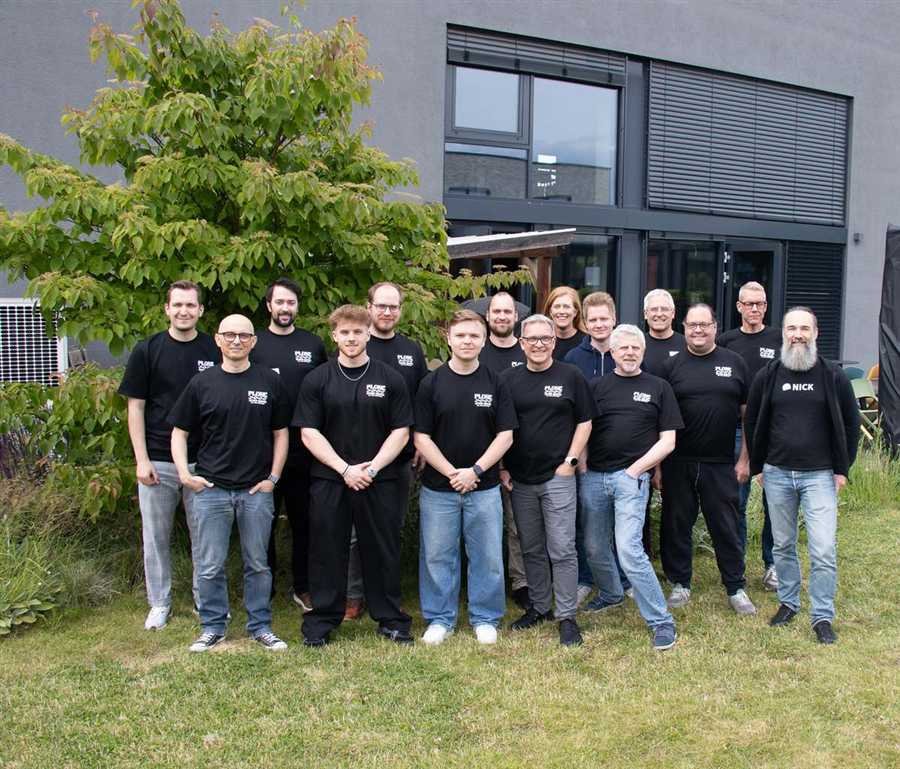
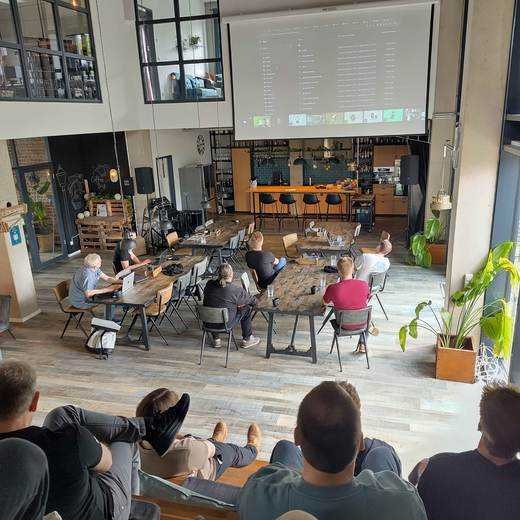
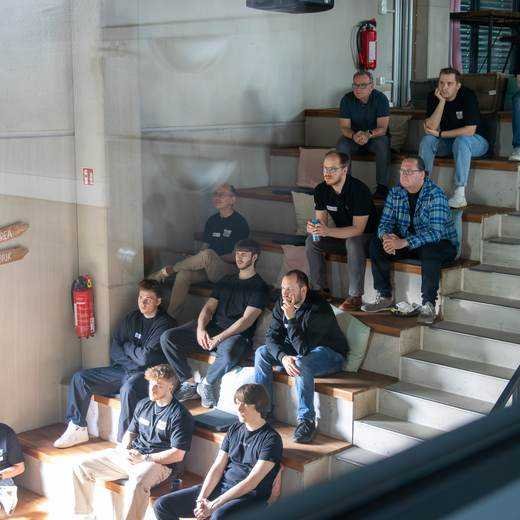
The Pole Position Sprint 2026 took place June 8–12 2026 at the InteraktivLab in Kerpen, Germany, hosted by Interaktiv GmbH. The sprint brought together over 20 contributors both on-site and remotely, working intensively on Plone Aurora — the next-generation Plone frontend — as well as related tooling, infrastructure, and community initiatives.
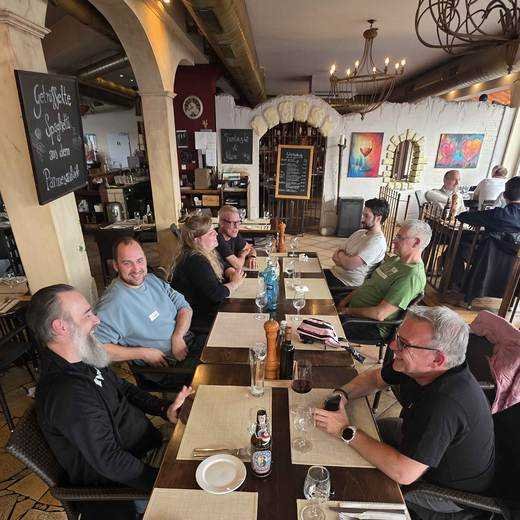
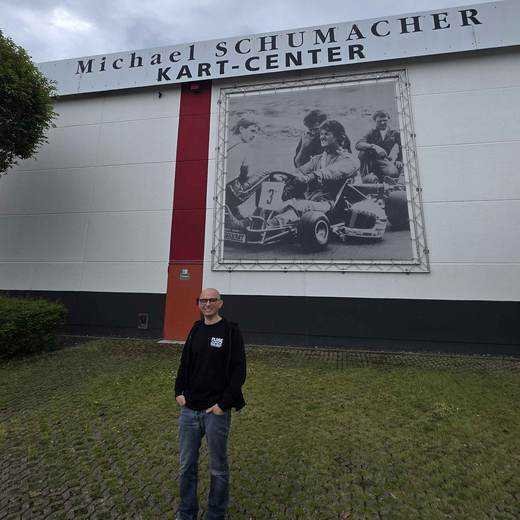
On-site participants joined from Germany, the Netherlands, South Africa, and Italy. Remote contributors joined from the USA, Italy, Finland, and Serbia. The event combined hands-on development with marketing and community strategy sessions, and included several social highlights: daily Bratwurst and Kölsch after each wrap-up, a dinner at La Piazza inside the Michael Schumacher Kart & Event Center, and a Thursday summer party with barbecue, a Plone pub quiz, and a big-screen viewing of the FIFA World Cup 2026 opening match (Mexico vs. South Africa).
We would like to thank all participants, remote contributors, the Plone Foundation and everyone at Interaktiv GmbH.
Overview of Contributions
Throughout the week, contributors worked across numerous repositories and initiatives. Alexander Rybakov pushed the Content Types Menu (PR #106) and contributed several smaller fixes and reviews. Arne Riehn worked on the Register (sign-up) and content routes. Armin Stroß-Radschinski participated in marketing and strategy discussions and worked on PloneConf German track implementation. Astrid Beyers led community and governance discussions, worked on plone.org content, social media, case studies, and the Sovereign Tech Fund application. Fred van Dijk coordinated the Seven-to-Aurora rename, NickCMS migration to the Plone Foundation, and marketing contributions. Guido Stevens contributed to PloneConf.org setup and marketing discussions. Jan Mevissen led standup facilitation, implemented the Sharing Route for Aurora, and collaborated with Marcel on the History Route and ZOD validation fix. Johan Beyers joined community and technical discussions, exploring Kubernetes deployment for Plone. Jörg Zell focused on marketing — authoring two case studies for plone.org and participating in PloneConf business track discussions. Julian Cyliax implemented the Related Items view and created two how-to guides for the Aurora documentation. Kim Stange handled all logistics, catering, facilities, and organizational support for the sprint. Lukas Guziel, Mike Buir, and Richard Braun built the Aurora Add-on Control Panel view together. Luis Preuß implemented the password reset functionality and submitted a proposal for a Workflow Editor. Marcel Liebischer implemented the full History Route for Aurora, backed by extensive test coverage and an AI-assisted code review. Maurice Reim implemented the Date Ranges widget and began work on the Working Copy route. Maurits van Rees focused on security issues, release coordination for Plone 6.1.5, and package maintenance. Nils Plützer contributed multiple Aurora UI fixes and route implementations including Search, Translations, and contents menu fixes. Piero Nicolli (remote) provided Aurora architecture guidance and reviewed and merged pull requests throughout the week. Rob Gietema advanced Nick with blob file support, S3 storage, HTML filtering, and health check endpoints, and helped migrate NickCMS to the Plone Foundation. Stefano Marchetti contributed to marketing discussions and PloneConf business track strategy. Steve Piercy (remote) reviewed documentation, worked on the Sovereign Tech Fund application, and coordinated the first icalendar security release. Tibor Szakmány (remote) implemented the Personal Information route for Aurora. Tania Silini (remote) worked on plone.org content copy.
Plone Aurora (formerly Seven)
The majority of sprint effort was directed at Plone Aurora, the next-generation Plone frontend. Aurora has its own dedicated repository at github.com/plone/aurora, and since June 5th the seven branch in the Volto repository is closed for merges. Aurora is based on React Router 7 (framework mode), the Quanta design language, and a modern add-on and registry system.
Piero Nicolli provided an introductory session on Monday, orienting sprint participants to the Aurora architecture and helping them get productive quickly. Victor Fernández de Alba joined remotely on Friday to review PRs and provide architecture guidance.
Aurora Routes and UI Components
A major focus was implementing and completing Aurora UI routes — the individual pages and views that make up the CMS interface:
History Route — Marcel Liebischer & Jan Mevissen
Marcel Liebischer implemented the full History route for Aurora (issue #30, PR #120), covering two views: a revision listing and a diff view. The revision listing was built in the Quanta design language, aligned with the existing @@contents view, with workflow state indicators, versioning entries, support for viewing older revisions, and a revert confirmation dialog.
The implementation is backed by around two dozen tests across unit, integration, and Playwright acceptance levels, including an automated accessibility check (jest-axe) that caught and fixed a real a11y issue in the table header. Marcel used an AI-assisted code review (Claude Fable) that surfaced seven actionable findings, all addressed — including a hidden bug in the @plone/client library where the content fetch silently dropped its expand parameter when a specific revision was requested.
Marcel filed five well-scoped follow-up issues for the team (#128, #129, #130, #131, #137). The change note bug he root-caused was fixed collaboratively by Jan in PR #136.
Jan Mevissen also assisted with the History route directly and fixed the ZOD validation issue (PR #136) where change notes were silently stripped on save.
Sharing Route — Jan Mevissen
Jan implemented the Sharing Route for Aurora (issue #29, PR #127), based on the existing Volto Sharing Route but rebuilt using Aurora's modern components. The route covers data loading, saving, and display of content sharing permissions.
Search Route — Nils Plützer
Nils implemented a fully functional Search route (PR #116), equivalent in layout and functionality to the Volto frontend, with support for tag filtering and sorting.
Translations Route — Nils Plützer
Nils picked up the Translations route (issue #23) and implemented the frontend view for editing translations and linked sites, followed by refactoring work on the Manage Translation view (PR #133).
Related Items View — Julian Cyliax
Julian implemented a new Related Items component that displays a content item's related content as a list of links below the page (issue #64, PR #119). He also created two how-to guides: one for creating a new slot (issue #66, PR #122) and one for using the ObjectBrowser widget (issue #14, PR #124).
Contents Menu & UI Fixes — Nils Plützer
Nils fixed the action button behavior in the content folders (PR #110) and resolved a slot/tag rendering issue so tags are correctly shown in the page view (PR #112). He also refactored layout and design for the contents buttons and Related Items view.
Working Copy Route — Maurice Reim
Maurice implemented the Date Ranges widget and began work on the Working Copy route, which involves significant complexity and was still in progress at the end of the sprint (DRAFT PR #141).
Personal Information Route — Tibor Szakmány (remote)
Tibor implemented the Personal Information route remotely, including field handling, failure feedback, minimal styling, accessibility features, and unit and acceptance test coverage. He also identified a missing backend REST API implementation for language and timezone fields in @userschema and left detailed notes on the issue.
Password Reset & Workflow Editor Proposal — Luis Preuß
Luis implemented the core password reset functionality for Aurora and submitted a proposal for developing a Workflow Editor, including an initial technical feasibility assessment.
Content Types Menu & Toolbar — Alexander Rybakov
Alexander pushed the Content Types Menu to completion (PR #106) and contributed several smaller fixes and PR reviews.
Register Route — Arne Riehn
Arne worked on the Register (sign-up) route and incorporated feedback received during the sprint.
Aurora Add-on Control Panel
Lukas Guziel, Mike Buir, and Richard Braun (all Interaktiv GmbH) collaborated throughout the week on a new Aurora front-end implementation of the control panel view for add-ons. The view allows users to install and uninstall Plone product packages, displays backend/frontend/status information, and includes additional Aurora-consistent styling for the control panel.
The catalog aggregation is handled by a separate Python package, compatible with the existing community project pag.derico.tech. A public testing instance was deployed at addonmanager.interaktiv.de. Richard submitted a PR for the Aurora control panel add-ons view; the team was working on getting the explorer to a standalone deployable demo by the end of the sprint.
Nick (Plone BFF)
Rob Gietema continued advancing Nick, Plone's Backend-for-Frontend server, with a series of significant improvements during the sprint:
Blob file and user schema support in the control panel
Pluggable blob storage layer, enabling S3 and custom storage backends
S3 storage support
HTML filtering in the backend for the HTML block
Health check endpoint (aligned with RFC health check formats)
Rob and Fred van Dijk successfully migrated the NickCMS domain and services to the Plone Foundation, including recording a video with Astrid Beyers to document the transfer. Luis Preuß got Aurora running with Nick locally and deployed a live demo by the end of Friday at demo.aurora.interaktiv.de.
Marketing, Community, and Strategy
Case Studies for plone.org (Jörg Zell)
Jörg authored two draft case studies for plone.org and participated in PloneConf business track discussions coordinated by Guido Stevens. He also held marketing strategy discussions with Armin Stroß-Radschinski.
PloneConf.org (Guido Stevens, Fred van Dijk, Armin Stroß-Radschinski)
Guido set up PloneConf.org content and configuration, including a German subsection, with technical assistance from Fred van Dijk. Armin worked on implementing the German conference track and prepared documentation for VAT reclaim procedures for PloneConf attendees. Fred also worked on forms frontend/backend for the conference site and merged theming PRs for next.plone.org.
next.plone.org
The next.plone.org project saw a first deployment under a tag release, theming PRs merged, and a planning meeting on content. Tania Silini (remote) worked on content copy for plone.org. Rikupekka Oksanen (remote) joined the next.plone.org meeting and contributed to content discussions.
Sovereign Tech Fund Application (Astrid Beyers, Steve Piercy)
Astrid Beyers and Steve Piercy (remote) collaborated on the Sovereign Tech Fund grant application questionnaire, advancing this community funding initiative throughout the week.
Social Media and Newsletter (Astrid Beyers)
Astrid created social media content, drafted new case studies, and began work on the June Plone newsletter during the sprint.
Kubernetes Deployment (Johan Beyers)
Johan Beyers explored existing Kubernetes and Helm chart support for Plone, reviewing bluedynamics and other deployment options, and sparked broader discussion about the Plone deployment story.
Plone 6.x and Infrastructure
Maurits van Rees focused on incoming security reports and release coordination for Plone 6.1.5 (the last Plone 6.1 release), as well as package maintenance. Fred van Dijk handled GitHub team membership management, domain transfers, and CI/CD server work. Steve Piercy (remote) coordinated the first-ever icalendar security patch release, with support from the security team.
Bratwurst, Kölsch & a World Cup Kickoff
Alongside the technical work, the sprint offered plenty of opportunities to connect outside the lab:
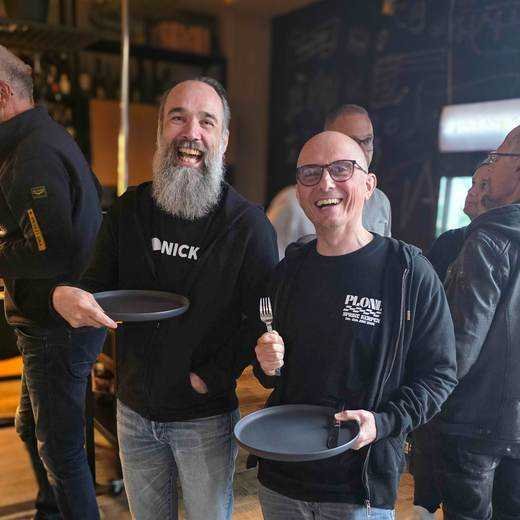
Daily — After each day's wrap-up, the group wound down in true German style with Bratwurst and Kölsch, a daily ritual that quickly became a highlight for the international crowd.
Evening dinners took the group to La Piazza, an Italian restaurant inside the Michael Schumacher Kart & Event Center right next to the InteraktivLab, a fitting venue given Kerpen's motorsport heritage, and to Gasthaus Schweitzer.
Thursday — The sprint's main social highlight: a summer party at the InteraktivLab featuring a barbecue buffet, a Plone pub quiz, and a big-screen viewing of the FIFA World Cup 2026 opening match (Mexico vs. South Africa).
These evenings gave on-site and remote participants alike a chance to decompress, get to know each other better, and celebrate the week's progress together.
Attendees
On-site
Jörg Zell — Interaktiv GmbH · Jun 8–12
Jan Mevissen — Interaktiv GmbH · Jun 8–12
Lukas Guziel — Interaktiv GmbH · Jun 8–12
Marcel Liebischer — Interaktiv GmbH · Jun 8–12
Richard Braun — Interaktiv GmbH · Jun 8–12
Mike Buir — Interaktiv GmbH · Jun 8–12
Luis Preuß — Interaktiv GmbH · Jun 8–12
Arne Riehn — Interaktiv GmbH · Jun 8–12
Alexander Rybakov — Interaktiv GmbH · Jun 8–12
Maurice Reim — Interaktiv GmbH · Jun 8–12
Julian Cyliax — Interaktiv GmbH · Jun 10–12
Nils Plützer — Interaktiv GmbH · Jun 8–12
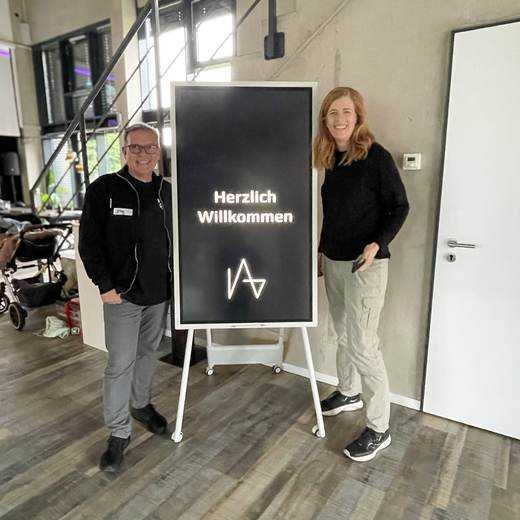
Kim Stange — Interaktiv GmbH · Jun 8–12 · Logistics
Astrid Beyers — Juizi · Jun 10–12
Johan Beyers — Juizi · Jun 10–12
Guido Stevens — Cosent · Jun 10–11
Armin Stroß-Radschinski — acsr industrialdesign · Jun 8–12
Fred van Dijk — kitconcept · Jun 8–12
Stefano Marchetti — RedTurtle · Jun 11–12
Rob Gietema — Freelancer · Jun 8–11
Maurits van Rees — Py76 · Jun 8–9
Remote
Steve Piercy — Pacific · Jun 8 & 12
Astrid Beyers — Juizi, SAST · Jun 8–9
Piero Nicolli — RedTurtle, CEST · Jun 8 & 11–12
Tibor Szakmány — Interaktiv GmbH · Jun 8 & 12
Rikupekka Oksanen — Univ. of Jyväskylä, EEST · Jun 10 & 12
Tania Silini — RedTurtle, CEST · Jun 9 & 12
Conclusion
The Pole Position Sprint 2026 was a highly productive and energetic week. The sprint delivered significant progress across multiple tracks simultaneously: Aurora route implementations, the Add-on Control Panel, Nick advancements, marketing content, and community infrastructure.
A particular highlight was the strength of on-site collaboration — many contributors were new to Aurora at the start of the week and were submitting PRs within the first day, thanks to strong mentorship from Piero Nicolli and the clear structure of the Aurora repository. The combination of focused sprint work, great food, a pub quiz, and a World Cup opening match on the big screen made for a week that was as enjoyable as it was productive.
We look forward to building on these results at upcoming sprints — the Axolote Sprint in Mexico (end of October) and the Salamina Sprint — and at PloneConf 2026. Thank you to all participants, contributors, and the Plone Foundation for making this event possible!
Sprint Impressions
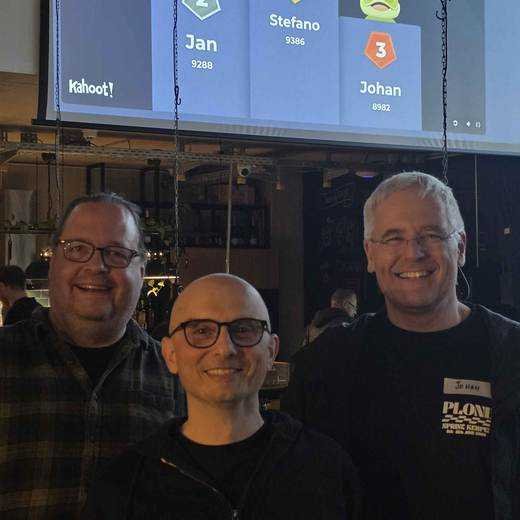
More photos in Flickr.