
Buschenschanksprint 2026: Blicca, PLIPs, accessibility, tooling, and the future of Plone
Published date 20260611
The Buschenschanksprint is one of those special Plone community events where focused technical work, strategic discussions, and community spirit come together. For one week, contributors live and work in the same place, discuss ideas, review code, make decisions, share meals, and spend time together as a community.
This year’s sprint once again showed why meeting in person matters so much. The group worked on several important topics for the future of Plone, including the renaming of Classic UI to Blicca, progress on multiple Plone Improvement Proposals (PLIPs), accessibility documentation, developer tooling, demo sites, and experiments around shared UI concepts across Plone’s different frontend options.
Classic UI is now Blicca
One of the most visible outcomes of the sprint was the decision to rename Plone Classic UI to **Blicca**.
The new name helps make clear that this user interface is not “old” or merely legacy. Blicca remains a valid and important user interface option for Plone, alongside Volto. The sprint also included a broader discussion about the future of Plone’s UI landscape, with a focus on sharing concepts and components where possible while keeping different frontend options available.
For the full story behind the name, see the community announcement.
Progress on important Plone features
Several teams worked on Plone Improvement Proposals and core functionality.
Work continued on separating Blicca-specific code from the Plone core. This is an important step toward a cleaner architecture, clearer responsibilities, and better long-term maintainability.
Timezone support for event-based content types was improved across Plone’s APIs and user interfaces. This work helps make event handling more precise and user-friendly, especially for sites and organizations working across regions and time zones.
The sprint also advanced recycle bin functionality for Plone. This feature allows deleted content to be restored, giving editors and site administrators a safer and more forgiving content management experience.
Another major topic was the modernization of `pat-structure`, the folder contents interface in Blicca. A new Svelte-based pattern called `pat-filemanager` was prototyped, with features such as multi-upload and drag-and-drop interactions. This work points toward a more modern and comfortable editing experience in Blicca.
Accessibility and compliance
Accessibility also received important attention.
A new set of VPAT statements for Plone 6.2, covering both Volto and Classic UI, is now available at:
https://plone.org/accessibility
VPAT documents are often requested by institutions and organizations evaluating software accessibility. Having updated accessibility information helps Plone users, vendors, and decision makers answer procurement and compliance questions more confidently.
Better tooling for Plone developers and integrators
The sprint included several improvements to Plone’s developer tooling.
Work on Cookieplone, mxdev, cookieplone-templates, and related tools continued, with the goal of providing project templates that work well for both Volto and Blicca projects. This helps developers start projects more easily and manage development checkouts, version overrides, and configuration more consistently.
There was also progress on buildout support for Python packages using only `pyproject.toml`, making it easier to use modern Python packaging approaches in buildout-based Plone projects.
Further improvements were made to `plone.api`, `zpretty`, documentation, demo sites, Mosaic documentation, and several community packages.
Advancements for Nick
New features and improvements also landed in Nick, the headless CMS with plone.restapi compatibility which could serve as an alternative, Plone compatible backend. A block registry and a search/replace feature was implemented.
Experiments and future-facing ideas
The sprint was also a place for experimentation.
Participants explored rendering Volto blocks in Blicca, discussed possible shared editing experiences, and looked at how future Plone UI layers could share more concepts and components. These experiments are still early, but they are important steps toward a more connected Plone ecosystem.
Lightning talks added even more ideas to the week, including demos of AJAX navigation, native widgets, cloud-native storage experiments, UX concepts, Cookieplone improvements, `pat-filemanager`, and real-world Plone use cases.
Community, sponsors, and South Styrian hospitality
Of course, the Buschenschanksprint was not only about code.
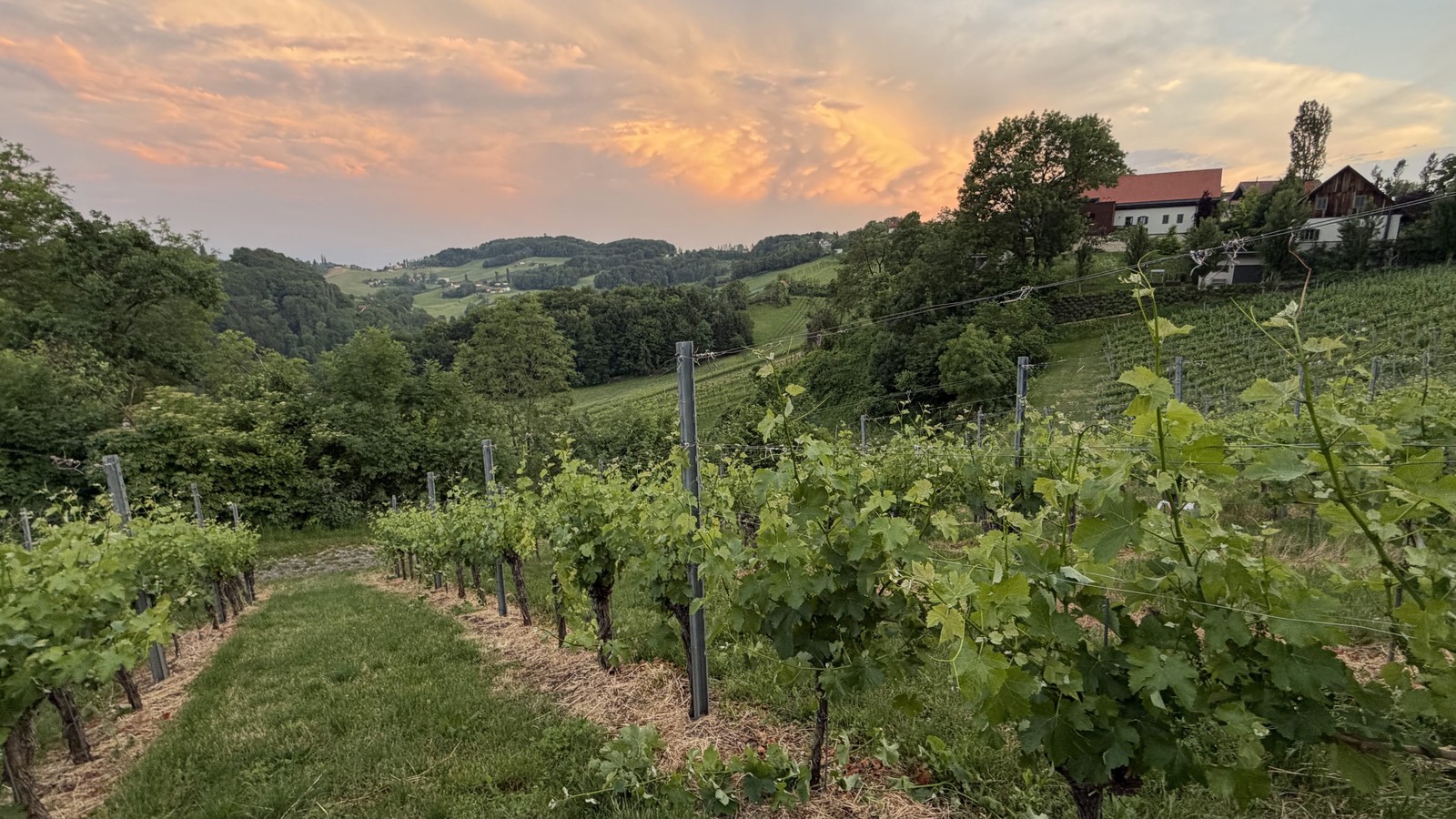
The sprint took place on the Südsteirische Weinstraße, a beautiful wine-growing region in southern Austria. The week included shared dinners, local wine, a BBQ, lightning talks, long discussions, and plenty of music thanks to Philip Bauer and his guitar.
A big thank you goes to syslab.com and the Plone Foundation for funding the sprint, and to all additional sponsors who helped make the week possible: Kombinat, cloud19, and Klein und Partner. Their support helped keep the sprint affordable for participants while making space for a productive and memorable week of collaboration.
And a big thank you to all participants! You contributed your time, energy, ideas, and good spirit, and made this sprint a great experience.
Participants
This year's Buschenschanksprint participants were:
Alessandro Pisa
Christine Baumgartner
Ciro Silvano
David Glick
Franco Pellegrini
Guido Stevens
Jens Klein
Johannes Raggam (organizer)
Maik Derstappen
Markus Hilbert
Mikel Larreategi
Paul Roeland
Peter Holzer
Peter Mathis
Philip Bauer
Rob Gietema
Roland Fasching
Thomas Lotze
With remote participants:
Astrid Beyers
Maurits van Rees
Steve Piercy
More information
A more detailed sprint report is published here: https://community.plone.org/t/this-was-the-buschenschanksprint-2026/23065