Axolote Sprint 2026 Recap
Published date 20261117
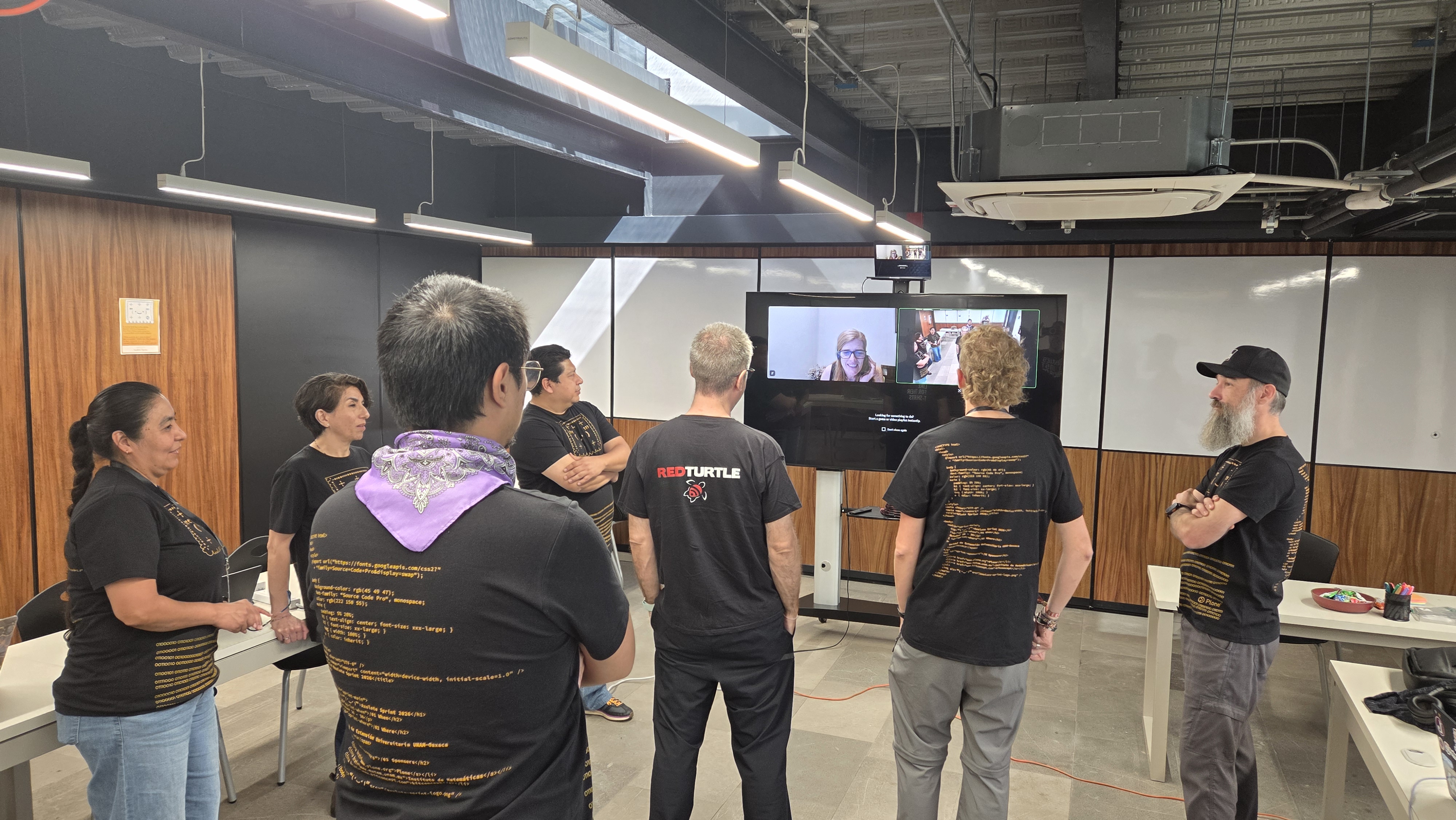
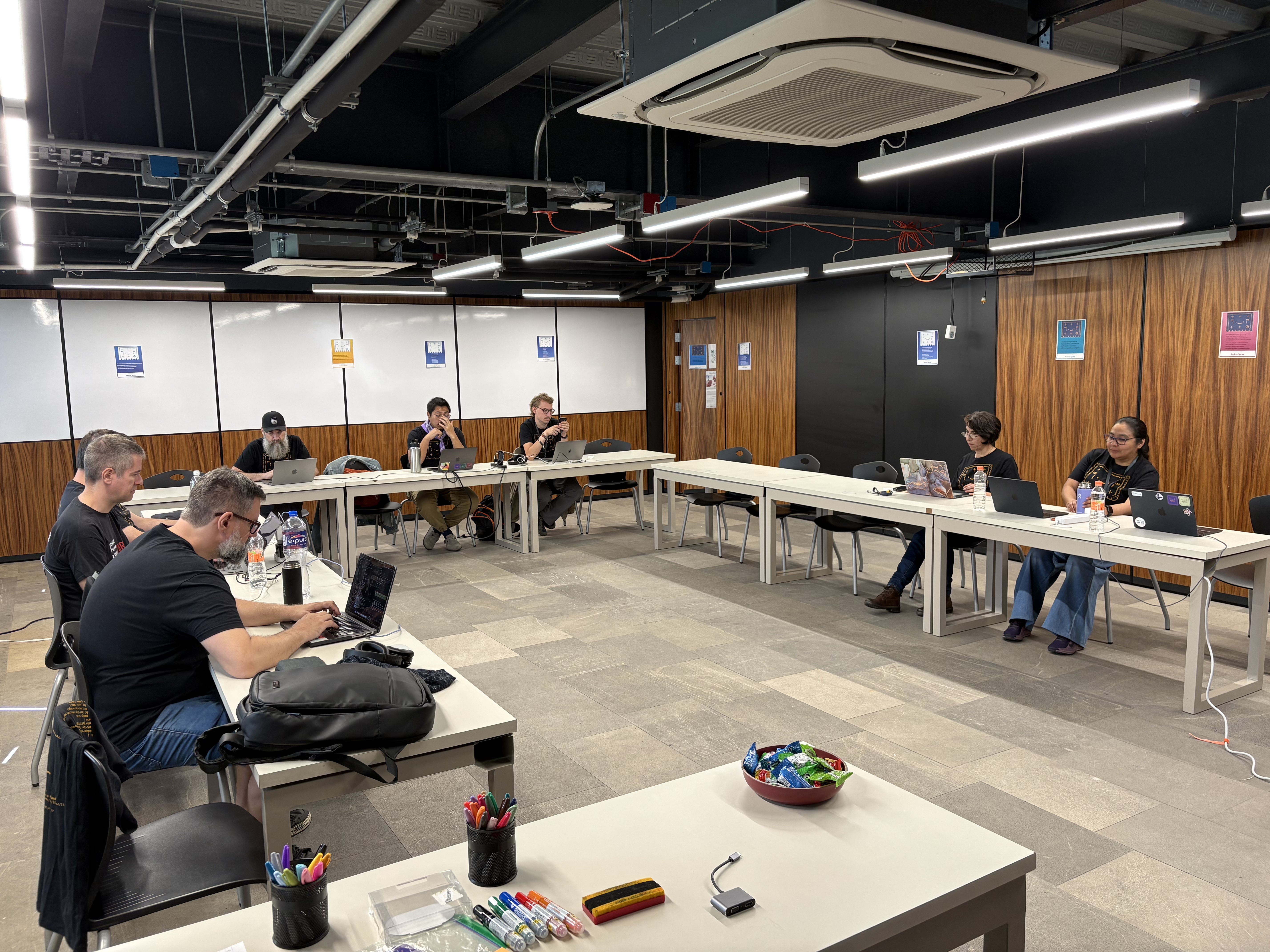
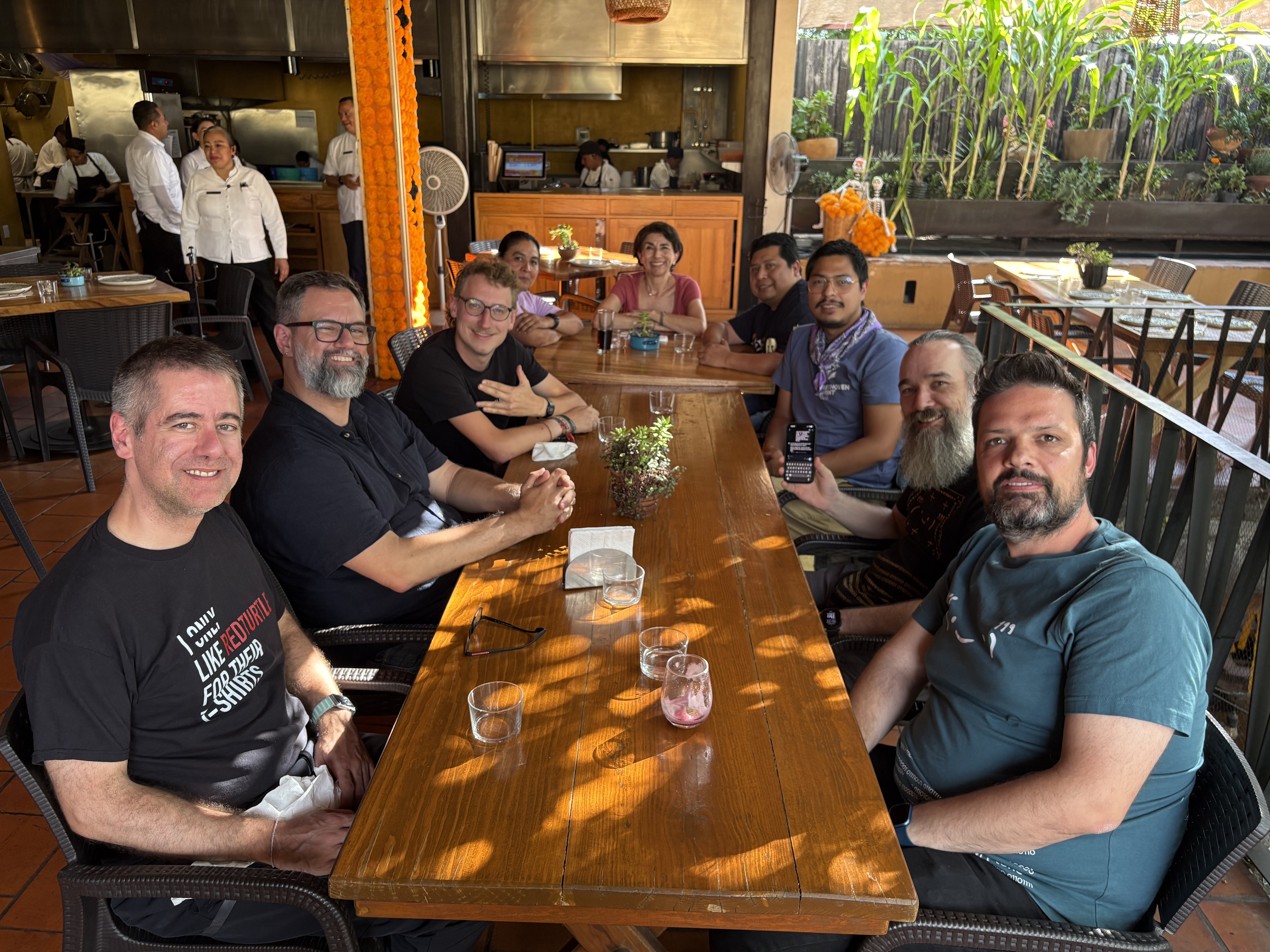
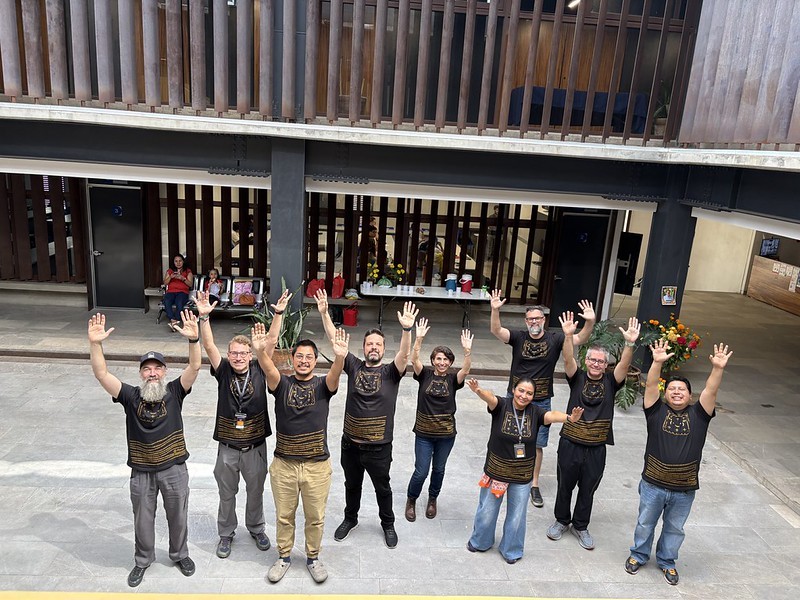
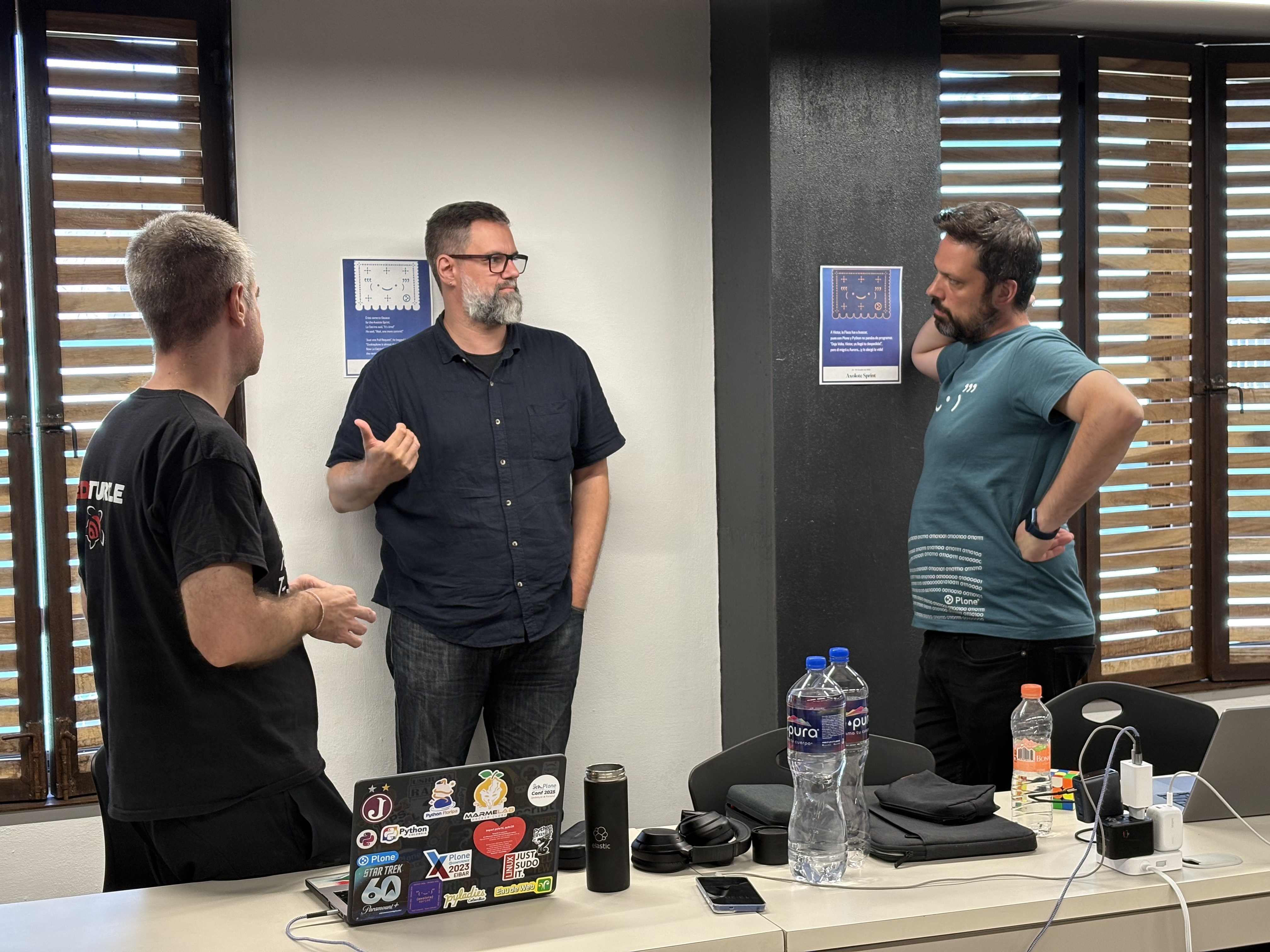
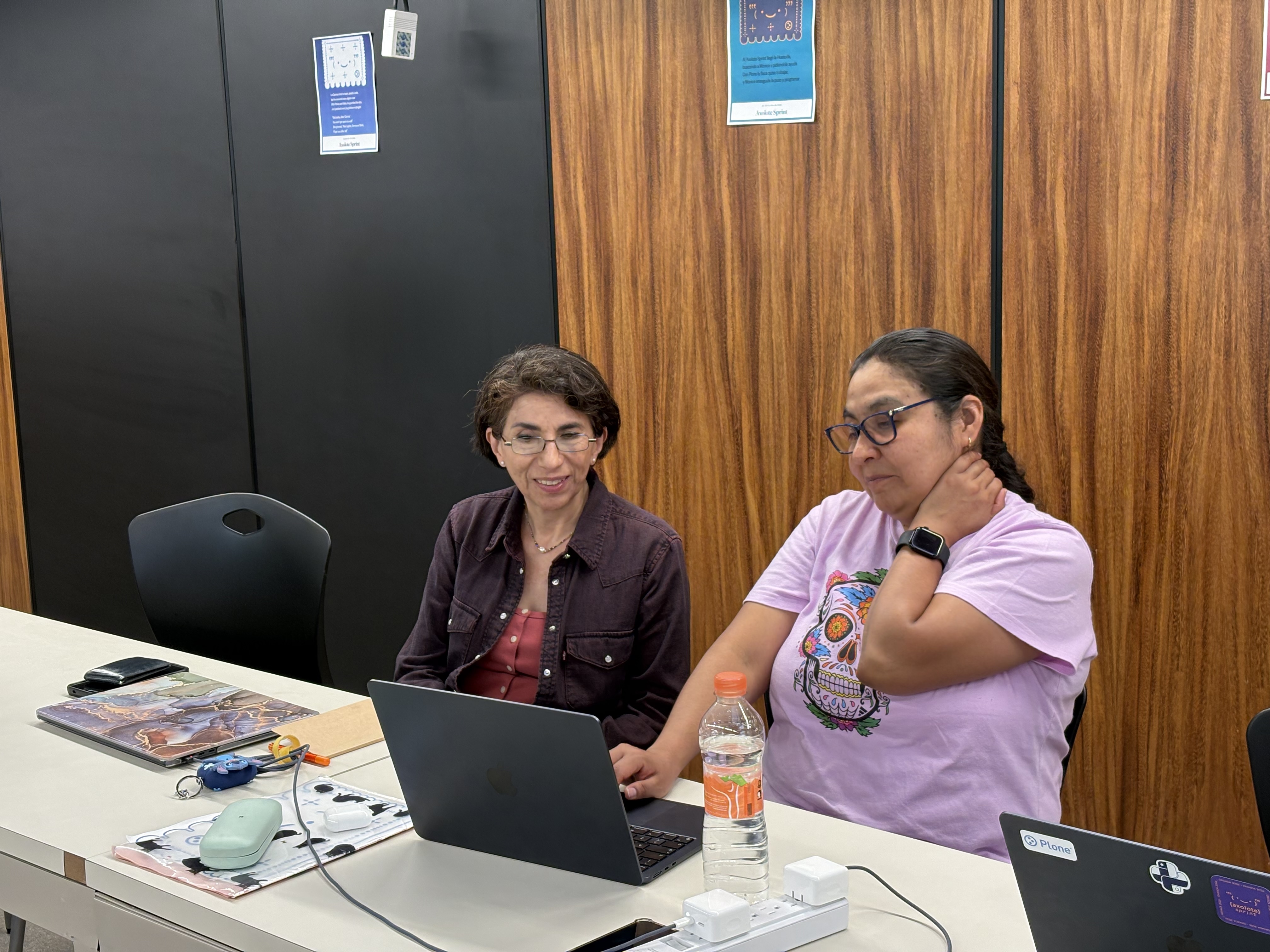
This was the first Axolote Sprint outside Mexico City. After two editions at the Mathematics Institute in Mexico City, the sprint travelled south to the Unidad de Extensión Universitaria Oaxaca of UNAM, in the historic center of Oaxaca de Juárez, one of Mexico's most beautiful cities. It was organized by four hosts: Adriana Ramírez, Mónica Leñero and Gildardo Bautista, from the Instituto de Matemáticas UNAM, and Dante Álvarez, from kitconcept. Nine Plonistas from Europe and the Americas sprinted in person, and five more joined remotely from around the world.
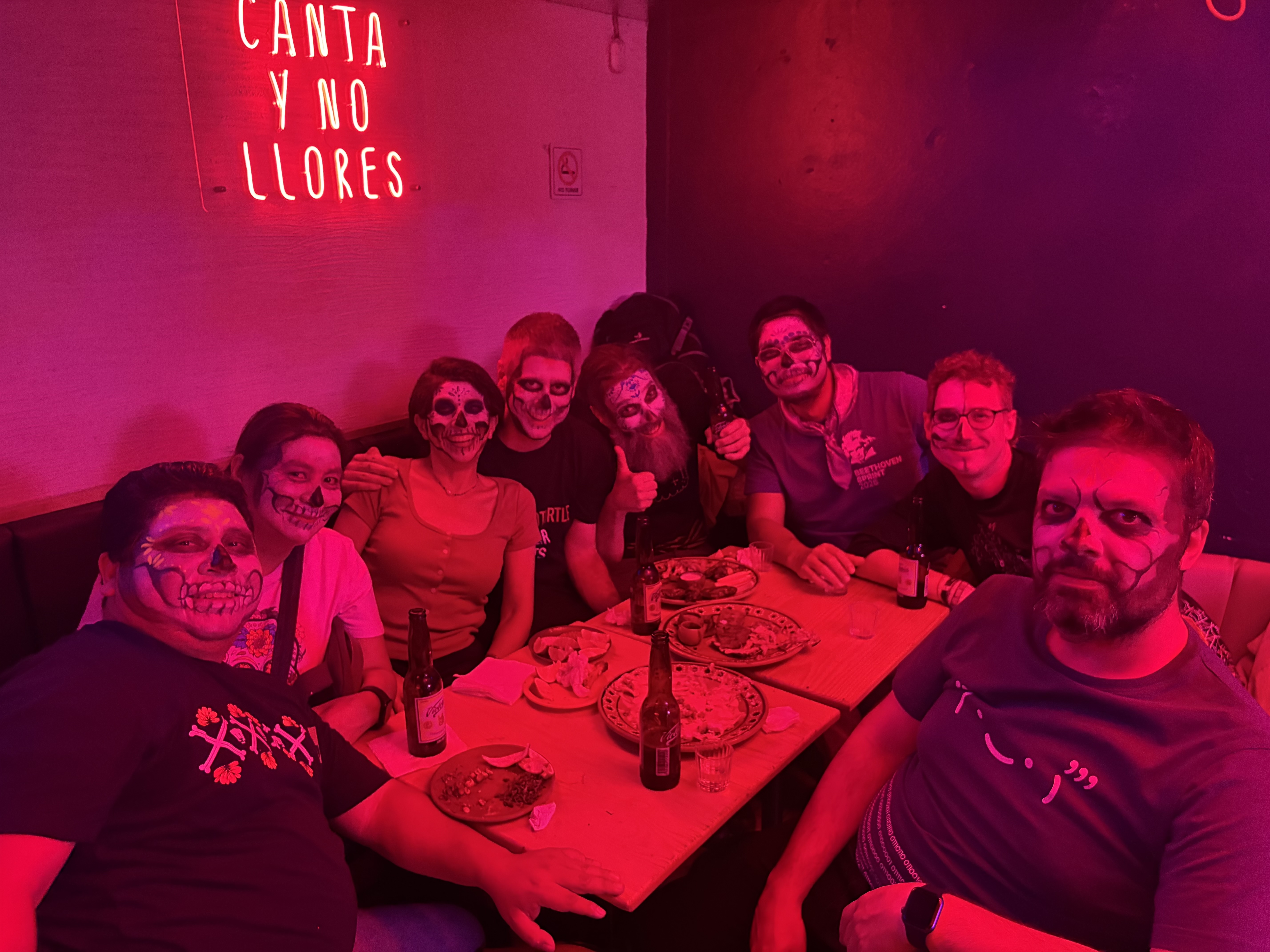
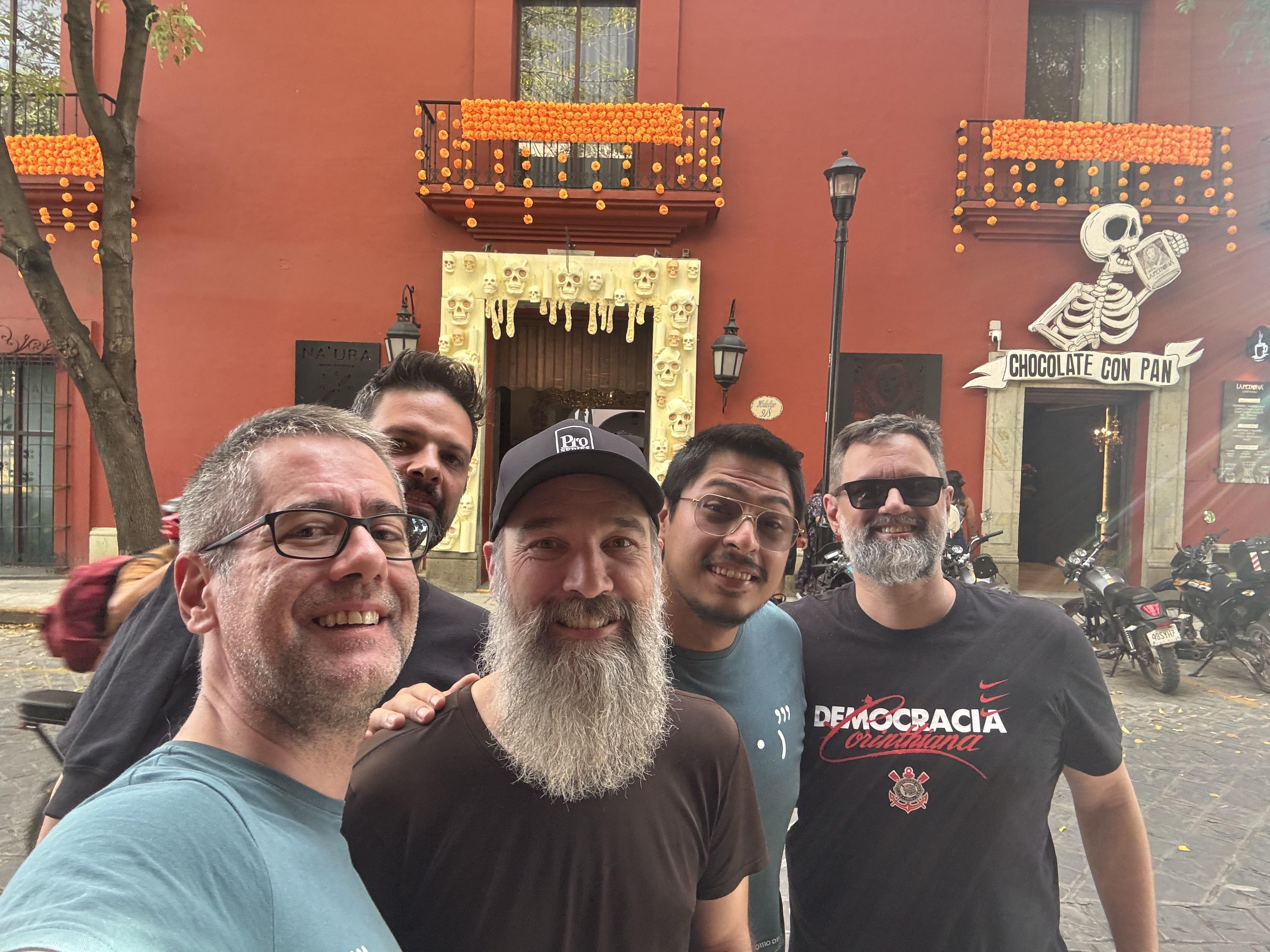
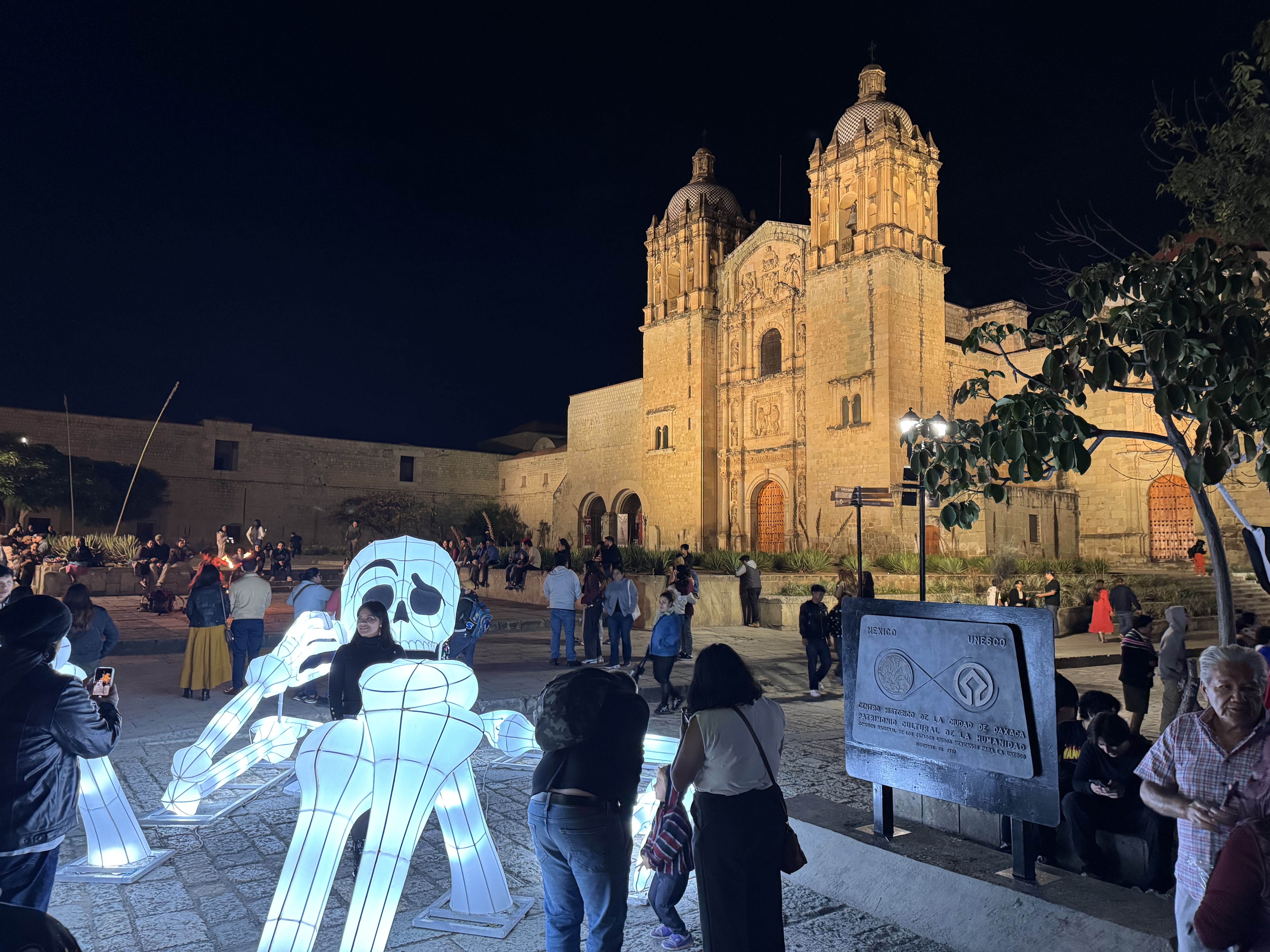
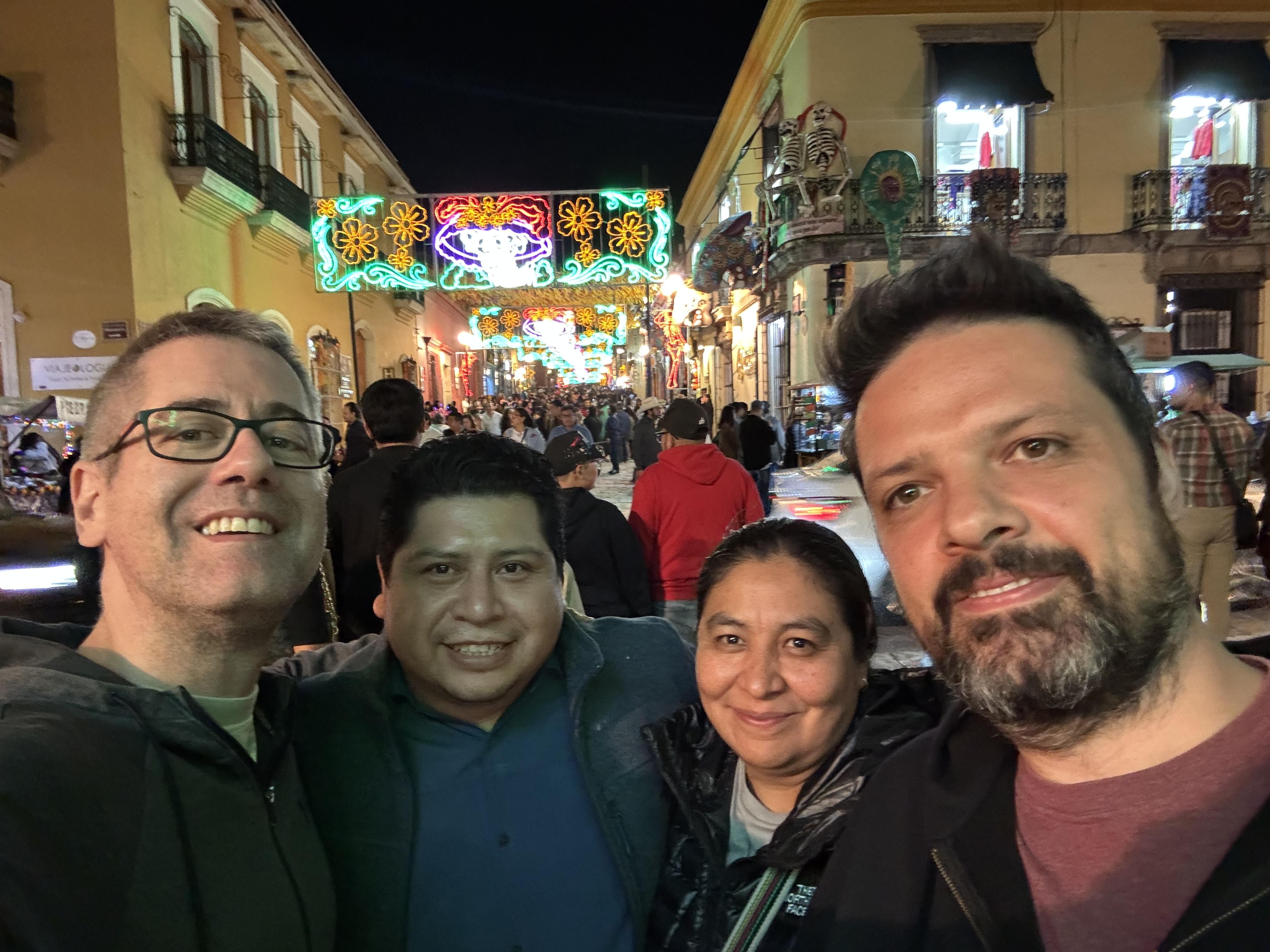
The timing was very special. The sprint ended just before Día de Muertos, on November 1st and 2nd, and Oaxaca is one of the places where this tradition is most alive. It is the season when the city fills with cempasúchil (marigold) flowers, papel picado and ofrendas honoring the departed, as it gets ready for one of its biggest celebrations of the year. It was an unforgettable backdrop for a week of coding.
Plone Aurora
Plone Aurora, the next-generation frontend for Plone, was once again the center of attention, and the week ended with the release of Aurora 1.0.0-alpha.20.
- Blocks and editing: blocks-schema support was merged, along with the pending Quanta improvements, extensions for Plate-native blocks, missing toolbar buttons and a mobile sheet modal for Quanta.
- Theming: work started on a token-based theming system, where changing a few tokens changes the whole theme. A prototype with three themes that can be switched in two clicks led to a first iteration in the `agave-update` branch, almost ready to merge by Friday. To make it possible, the @plone/components refactoring was merged, the components were registered in @plone/registry and its types were improved, which allows the theming of blocks.
- New features: the Search view was reviewed and finalized, the password reset feature was tested and merged, and a new types control panel for Aurora and Volto is under way. Reviews of the listing block and translations PRs started.-
- Quality and infrastructure: fixes from an external review of Aurora were opened (several already merged), the multilingual redirector was analyzed and got test fixtures, the project moved to Node 26, the Docker images were fixed, and the aurora.demo.plone.org deployment was updated to 1.0.0-alpha.20. React Aria Components PRs were reviewed, and plone/plone.restapi#2082 was opened.
- New users: UNAM sprinters set up local development environments, created new Aurora sites with Cookieplone and tested the demo site.
The @blocks-schema endpoint
One of the highlights of the week was the new @blocks-schema endpoint. It describes the blocks available in a site, including their variations, so that LLMs and AI agents can learn which block to use and how to use it. It is context-sensitive and available to authenticated users. Each block will ship with a Markdown description next to its code, and the format (JSON or Markdown) is chosen through the Accept header.
The endpoint was merged and released in Volto on Tuesday (plone/volto#8023), and work followed on its integration with Volto's Plate support. Before the end of the week, six add-ons had already been updated to use it (collective.casestudy, sc-eprocessos, sc-videos, sc-volto-light-theme, social-media and tech-event), and a PR was opened for volto-light-theme.
Nick
Nick saw a big cleanup: 22 PRs were merged on the first day alone, followed by almost all of the remaining ones, and the last open pieces were discussed in preparation for a new Nick release. Work also started on the Nick Docker container images.
plone-client
The sprint saw the presentation and initial alpha release of plone-client, a Python library, command line client and MCP server to read and change the content of Plone sites. It is the Python counterpart of @plone/client, comes with a Claude skill and has documentation at plone.github.io/plone-client.
Development of plone-client brought several new features and improvements, including create_page with support for choosing a content type, uploading files and setting a lead image; warnings when a profile's credentials are rejected; new MCP tools for workflows, vocabularies, translations and working copies, as well as block-by-block editing. The client also gained the option to expose only selected tools, support for serving over HTTP with a bearer token, and compatibility with Volto's blocks schema and resources.
plone-client was also put to practical use to create new case studies and fix data on pythoncerrado.org. Related work included the alpha release of collective.html2blocks 1.0.0b1, which converts code fences, Google Maps, Vimeo and YouTube embeds into blocks, with configurable block types, as well as its integration with collective.transmute. Work also began on wiki documentation for plone-mcp, while agentic assistants such as OpenClaw were explored.
Add-ons
The main focus was collective.tech-event, the add-on for managing events. Its Spanish translations were completed, participant registration was implemented and tested, and version 1.0.0b5 was released with several fixes.
Development of collective.certificates, a complementary add-on to collective.tech-event for issuing certificates to event attendees, began after an analysis of the requirements and needs of academic events. During the sprint, it progressed to a solid initial version.
collective.person was translated to Spanish.
Security
Plone's application to Anthropic's open source vulnerability scanner programme was prepared, and new security reports were checked. Since the programme works per repository, plone.restapi was submitted on Thursday, and enrolling the Zope repositories was also discussed.
Funding
On the funding side, the Sovereign Tech Agency (STA) Tech Fund application was submitted and the NLnet Restack application was started. The FY26 Q3 financial statements and budget were published, the event sponsorship page was updated to clarify expectations, and contact was made about a possible ActivityPub add-on for Plone, which may be part of a future application.
Plone in a Box
Plone in a Box came back to life: it now deploys current Plone and Volto on AWS and Linode, with new documentation.
Marketing and community
The remote team kept the community buzzing:
- The Plone Newsletter went out, news drafts were prepared (Genweb, the Plone Conference recap and the new plone.org.br), and the sprint was shared on social media.
- The Plone Podcast moved from Buzzsprout to rss.com and is now listed in 18 podcast directories.
- The World Plone Day 2027 page was published, the Plone ecosystem page was improved, and work continued on next.plone.org.
- The renewal of the Plone accessibility team was organized ahead of the Cerrado and Salamina sprints.
- An AI-supported storytelling workflow for case studies was demoed at the next.plone.org meeting.
- The announcement for the Beethoven Sprint 2027 was prepared, as were a plone.org.br presentation and the upcoming Cerrado Sprint.
Oaxaca
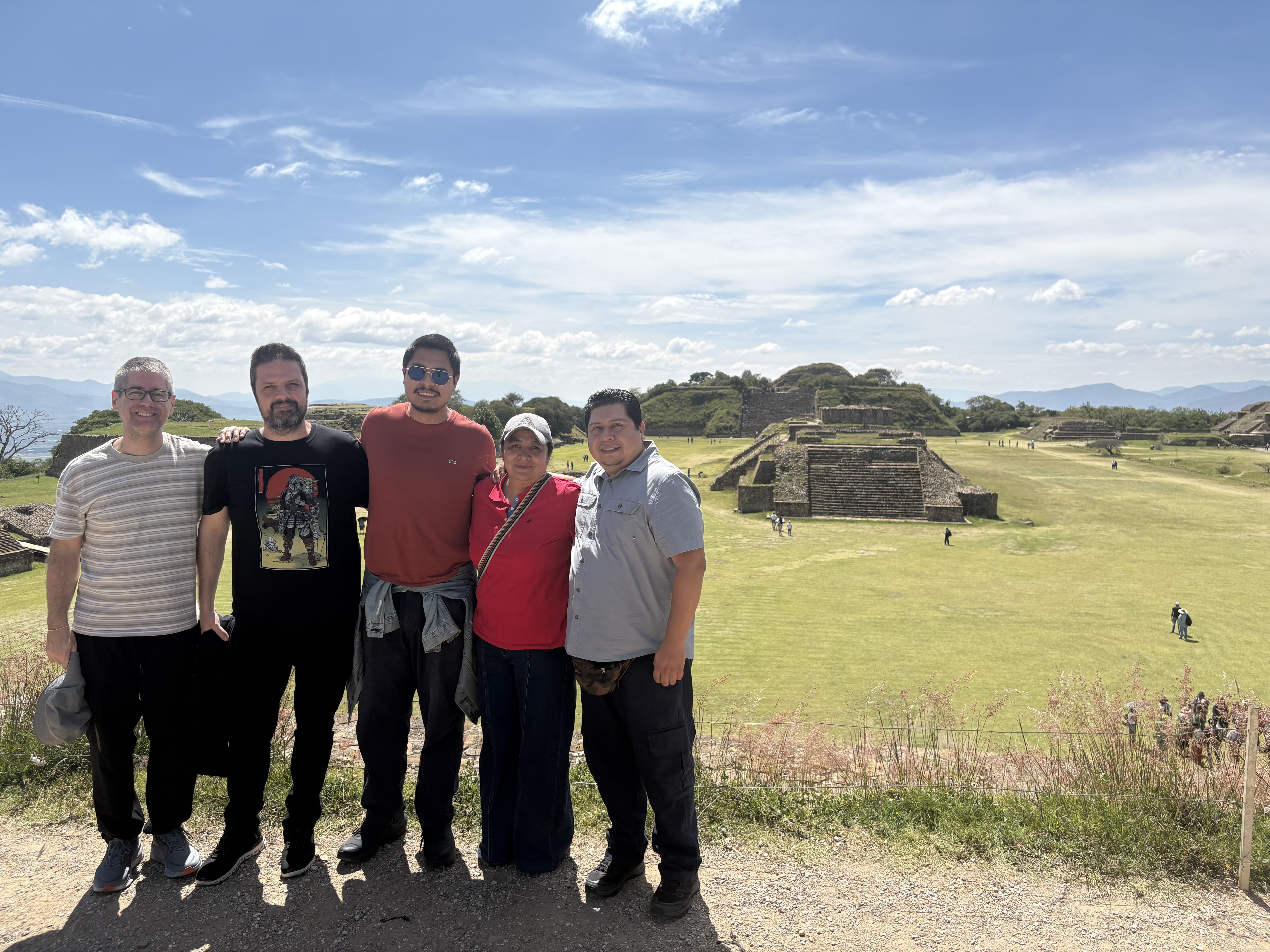
On the weekend before the sprint, a small group of early arrivals went on an excursion to Monte Albán, following the tradition of earlier sprints, which included Teotihuacan and Xochimilco. Founded around 500 BC on a mountaintop that its builders leveled by hand, Monte Albán was the capital of the Zapotec civilization for over a thousand years and is one of the oldest cities in Mesoamerica. Today it is a UNESCO World Heritage Site, together with the historic center of Oaxaca, where we spent the rest of the week.
Participants
In person:
- Adriana Ramírez Vigueras
- Mónica Leñero
- Dante Álvarez
- Gildardo Bautista
- Víctor Fernández de Alba
- Jakob Kahl
- Piero Nicolli
- Érico Andrei
- Rob Gietema
Remote:
- Kim Nguyen
- Astrid Beyers
- Steve Piercy
- Brian Davis
- Armin Stross-Radschinski
Thanks
Many thanks to the Instituto de Matemáticas of UNAM and the Unidad de Extensión Universitaria Oaxaca for hosting us, and to kitconcept and the Plone Foundation for making the sprint possible.
¡Muchas gracias!
More photos